IP Cameras vs. Traditional CCTV Solutions: What Business Owners Should Know Before Buying in San Antonio, TX
Choosing the right surveillance camera system is one of the most important security decisions a business owner can make. Understanding the difference between IP cameras and traditional CCTV solutions across San Antonio, TX, can help you invest wisely. Both technologies are widely used, and each has its own strengths, limitations, and ideal use cases.
How IP Cameras and Traditional CCTV Systems Actually Work
Traditional analog CCTV sends footage through coaxial cables to a digital video recorder (DVR) for storage and management. IP (Internet Protocol) cameras convert video into digital data and transmit it over a network to a network video recorder (NVR) or cloud storage.
The core difference is data quality and flexibility. IP cameras typically deliver higher resolution footage, making it easier to identify faces, license plates, and fine details at a distance. Analog CCTV solutions offer reliable, straightforward recording but are often limited in resolution compared to modern IP alternatives.
Which System Is Better for Your San Antonio, TX, Business?
The right choice depends on your building layout, industry, and how you plan to use your footage. San Antonio, TX, businesses ranging from retail shops on Loop 1604 to warehouses in the South Side Industrial District have different security needs.
Image Resolution and Video Quality
IP cameras deliver significantly higher resolution than most analog CCTV systems. This matters for businesses that need fine detail, such as retail stores monitoring checkout areas or healthcare facilities tracking access to sensitive rooms. Analog systems may perform adequately for general perimeter monitoring but often fall short when zooming in on recorded footage is necessary.
Remote Access and Monitoring
IP-based systems allow business owners to view live and recorded footage remotely from a smartphone, tablet, or computer. This is useful for multi-location businesses, property managers overseeing several San Antonio, TX, commercial properties, or owners who travel frequently. Traditional analog CCTV solutions can sometimes be configured for remote access, but the process is generally more complex.
Scalability and Future-Proofing
IP systems are easier to expand. Adding a camera often means connecting it to your existing network rather than running new cable. For a growing San Antonio, TX, business adding square footage or new facilities across Bexar County, this flexibility reduces long-term costs. Analog CCTV installations may require more significant rewiring when scaling up.
Installation and Infrastructure
Traditional CCTVs can be a practical fit for buildings with existing coaxial cable infrastructure. For older commercial properties, such as historic structures in downtown San Antonio, TX, retrofitting with analog equipment may involve less disruption. IP camera installations benefit from existing network infrastructure and can use Power over Ethernet (PoE) cabling, which carries both data and power through a single cable.
San Antonio, TX's intense summer heat, occasional flash flooding, and high humidity can affect outdoor camera hardware. Both IP and analog cameras are available in weatherproof enclosures, but confirm that any CCTV solutions you choose are rated for South Texas conditions.
Industry Fit
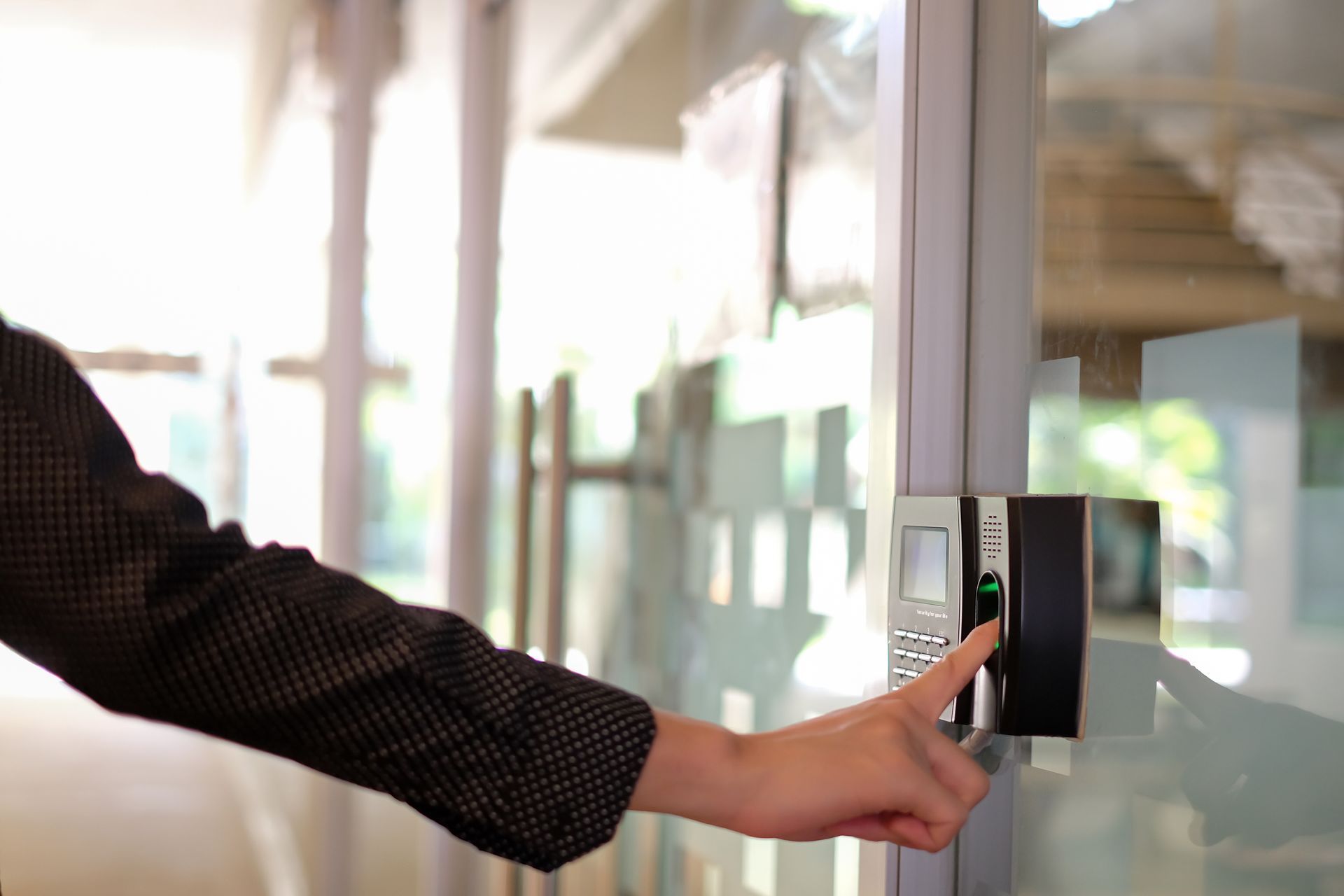
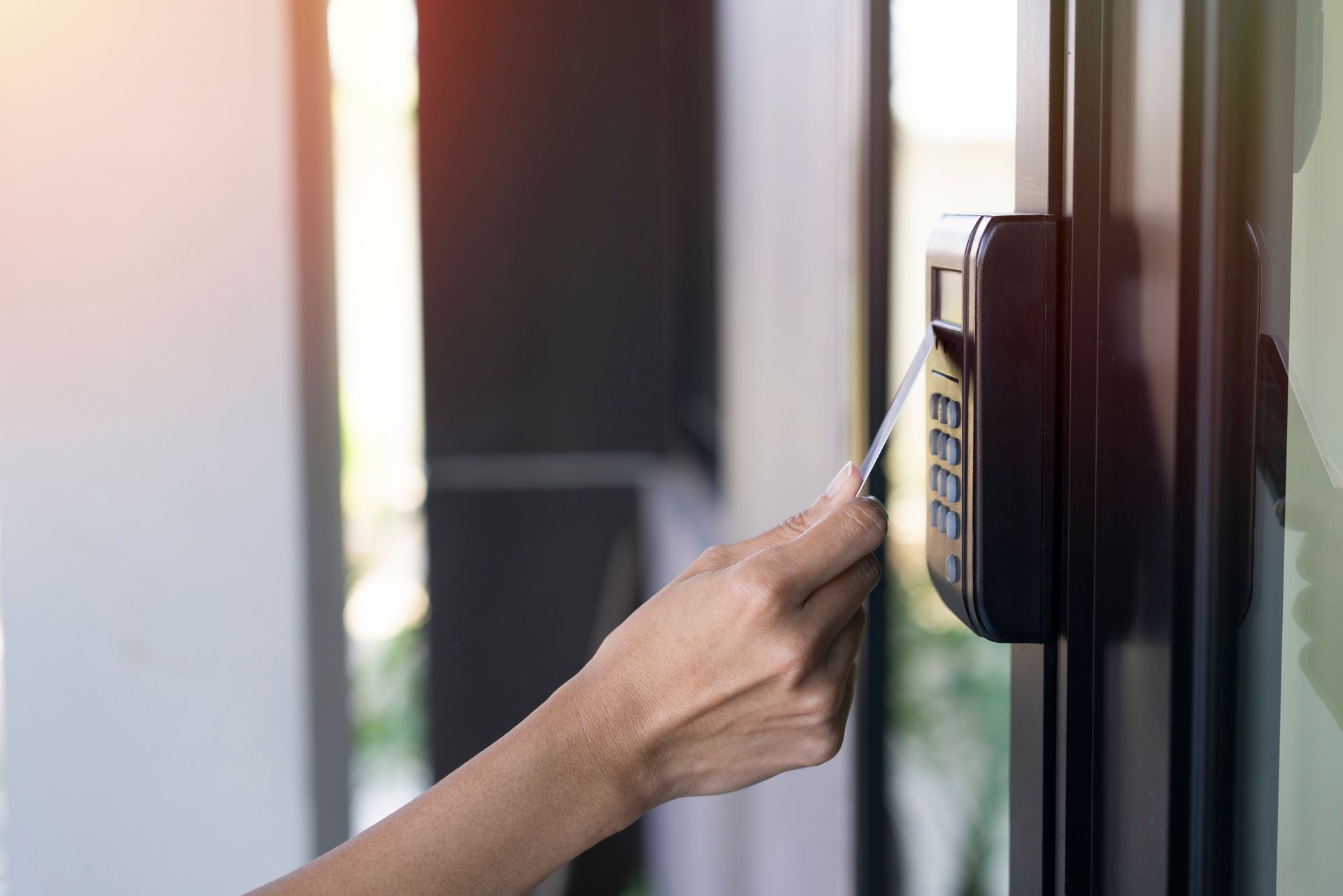
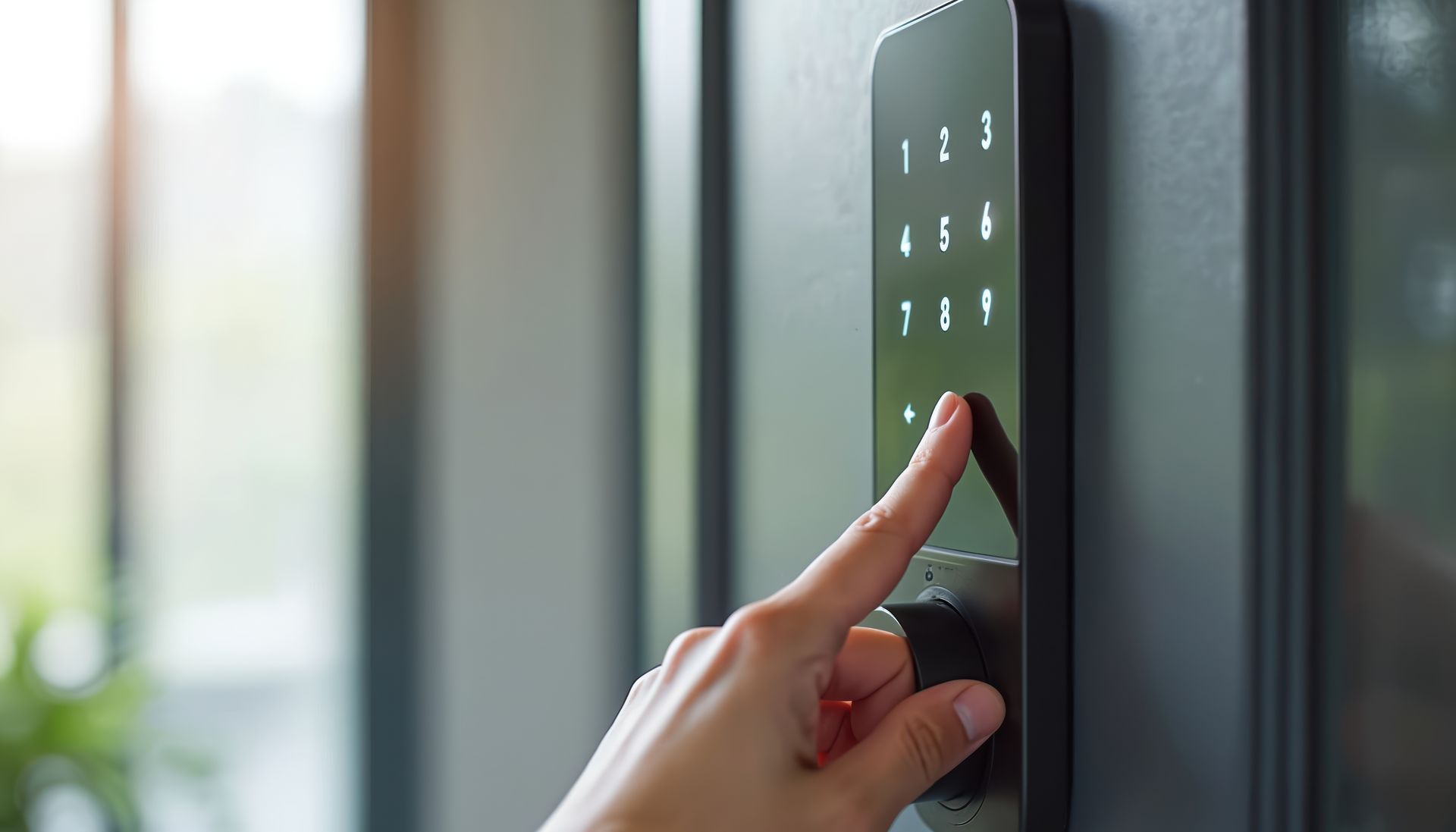
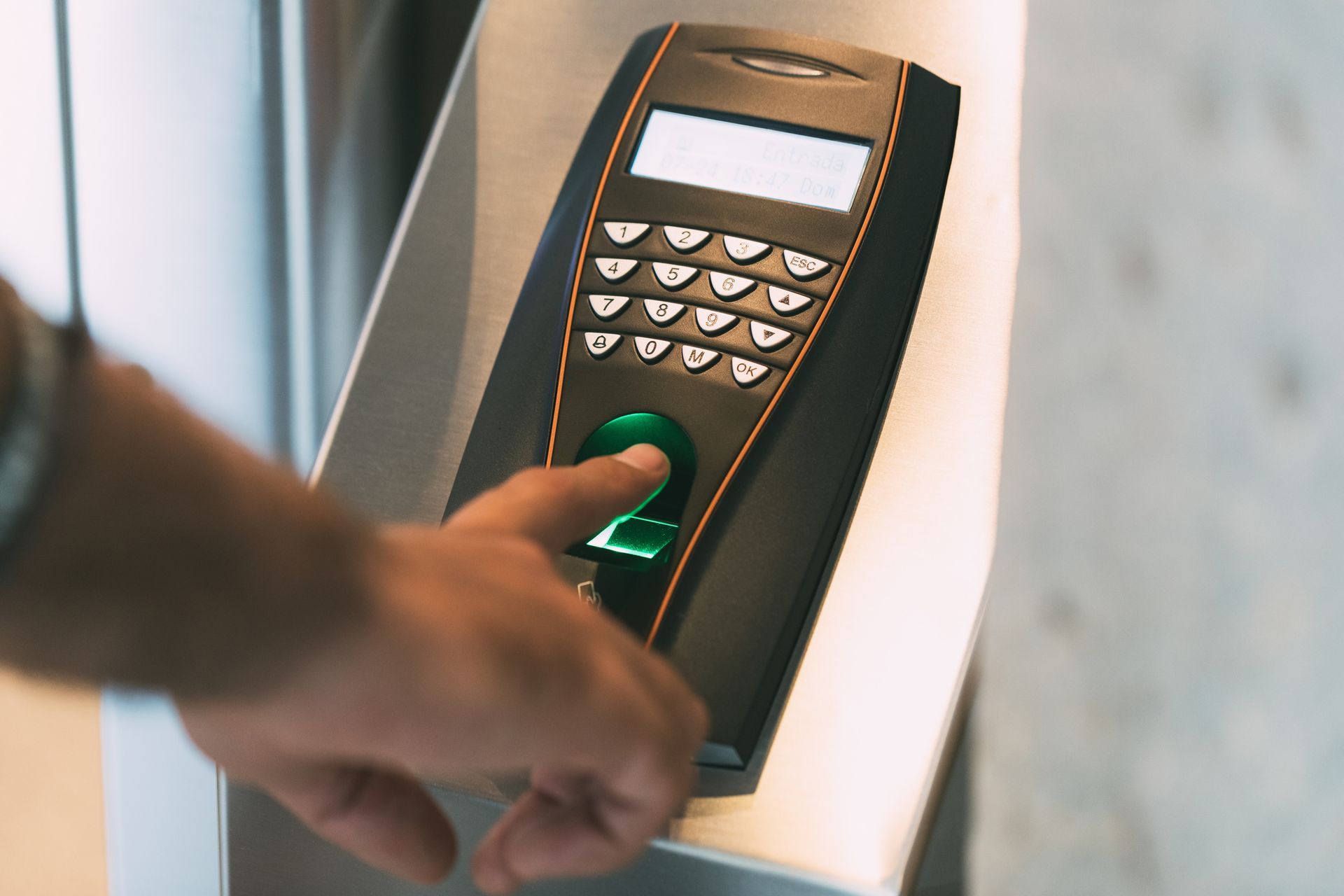
Retail and commercial centers benefit from high-resolution IP cameras that capture customer behavior and monitor high-traffic areas with clarity. Warehouses and logistics facilities often prioritize wide-area coverage, where IP cameras with wide-angle lenses and remote monitoring offer a practical advantage. Healthcare facilities, schools, and daycares typically require detailed footage and strict access management, making IP camera systems a strong pairing with access control solutions.
Storage, Monitoring, and Upgrade Paths
How Much Storage Does a Business Camera System Need?
Storage needs depend on the number of cameras, video resolution, frame rate, and retention period. Higher-resolution IP cameras produce larger files, though compression technology has made storage more manageable. A security professional can help calculate the right capacity for your setup.
Can I Monitor My Cameras Remotely?
IP camera systems support remote viewing through apps or web browsers from anywhere with an internet connection. Some analog CCTV configurations also offer remote access, though setup requirements vary by system.
What Happens When I Want to Upgrade?
IP systems are easier to upgrade incrementally. You can often add cameras or increase storage without replacing the entire system. Migrating from a fully analog CCTV setup to IP may require new cabling, recorders, and cameras, so planning for future growth during initial installation can save significant cost later. Businesses evaluating CCTV solutions early in the planning process are better positioned to avoid costly retrofits down the road.
Are IP Cameras Vulnerable to Cybersecurity Risks?
Because IP cameras transmit data over a network, they can be vulnerable to cyber threats if not properly secured. Strong passwords, firmware updates, and network segmentation reduce this risk. A licensed security professional can help configure your system to minimize exposure.
Make the Right Choice for Your Business
Selecting between IP cameras and analog CCTV solutions is not a one-size-fits-all decision. The best system matches your building, industry, budget, and plans for growth.
Ace Security Solutions has been serving businesses since 1957, providing commercial-grade CCTV surveillance camera systems tailored to each client's needs. Whether you are comparing system types, planning a new installation, or considering an upgrade, the team can help you design a solution that works for your property.
Call (210) 732-5121 to request a free consultation, or visit Ace Security Solutions to learn more and read reviews from local business owners.